Camping With Kids on a Road Trip: How to Plan the Route, Stops and Campsites.
27 October, 2026


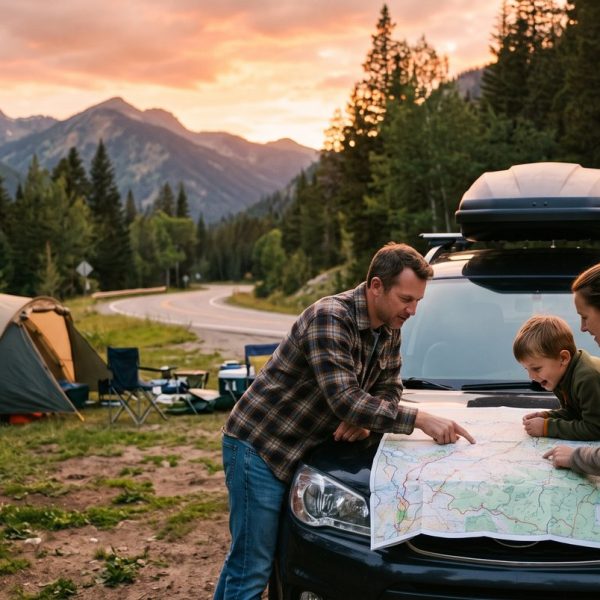
A road trip with tents in the trunk is one of the most affordable ways for a family to see a lot of the country. Instead of paying for a hotel every night, you sleep at campgrounds along the way, cook your own meals and wake up next to lakes, forests and mountains. Kids get to see how big and varied the map really is.
Combining a road trip with camping does take a bit more planning than a single weekend at one campground. You are juggling driving time, campsite bookings, food and the patience of children in the back seat. This guide shows you how to plan a route, choose stops and keep everyone happy from the first mile to the last.
Start With a Realistic Route
The most common mistake on a family road trip is trying to cover too much ground. Adults can handle six or seven hours in a car. Kids usually cannot, at least not happily. A good rule is three to four hours of driving per day with young children, and no more than five with older kids.
Open a map and mark the places you most want to see. Then work backward: where could you camp that is three or four hours apart? Plan to stay two nights at some campgrounds so you get full days without driving. Those rest days are often the highlight of the trip.
Book the Right Campgrounds
On a road trip, the campground does two jobs. It is your hotel and your playground. Look for:
- Easy access from the main road, so you are not driving long dirt tracks at dusk
- Showers and flush toilets, which matter more after several days on the road
- Something for kids to do, such as a lake, a playground or short trails
- Drive-up sites, so you can sleep near the car and unload quickly
Popular parks fill up months ahead in summer, so book the busiest stops first. For in-between nights, private campgrounds and state parks often have last-minute space.
Pack the Car Like a Pro
When you camp in a different place every night or two, organization saves your sanity. Pack in bins by category: kitchen, sleeping, clothes, and fun. Keep a "first night" bag on top with headlamps, pajamas, toothbrushes and tomorrow's breakfast, so you do not need to unpack everything at each stop.
Give each child a small backpack for the back seat with a water bottle, snacks, a book, headphones and a travel game. A cooler with lunch supplies means you can stop at a park or rest area for a picnic instead of fast food.
Make the Drive Part of the Adventure
Kids handle long drives better when the drive itself has things to look forward to:
- Print a map and let kids track the route with a marker.
- Play license plate bingo or the alphabet game with road signs.
- Stop every two hours for a run, a snack and a stretch.
- Choose one fun stop each day, like a waterfall, a giant roadside statue or an ice cream shop.
- Download audiobooks or podcasts the whole family can enjoy.
If your route passes through national parks, ask at the visitor center about the Junior Ranger Program. Kids complete a short activity book and earn a badge, and collecting badges from several parks can become a game of its own.
Keep Camp Routines Simple
When you arrive at a new campground each evening, a set routine speeds things up. One adult sets up the tent while the other starts dinner. Kids can unroll sleeping bags, fill water bottles and collect small sticks for the fire, if fires are allowed. Use the same layout every night, so everyone knows where the flashlights and toothbrushes live.
Before the trip, read a few good guides on camping with kids. Simple ideas like choosing a camping style that suits your children's ages, packing smart and keeping a camp journal fit perfectly with life on the road.
Budget Tips for a Camping Road Trip
- Cook most meals at camp, and save restaurants for one treat per trip.
- Buy groceries at supermarkets in larger towns, not small camp stores.
- If you visit several national parks, compare the price of an annual parks pass with paying entry fees one by one.
- Fill up on gas before entering remote areas, where prices are higher.
- Bring reusable water bottles and refill them at campgrounds.
Plan for Bad Weather
Over a week or two on the road, you will probably meet at least one storm. Check the forecast every morning and keep a backup plan, such as a cheap motel night, a museum or an indoor pool. A rainy day spent playing cards in a cozy tent can also be a lovely memory, as long as everyone is dry and fed.
Capture the Journey
Give each child a notebook to fill as you go. They can draw the campsite, glue in a leaf or a ticket, and write one sentence about each day. Take a family photo at every campground sign. At the end of the trip, you will have a homemade travel book that tells the story better than any souvenir.
Hit the Road
A camping road trip gives kids something rare: a slow, close-up look at the places between the famous sights. Keep driving days short, book family-friendly campgrounds, pack smart and turn the drive into part of the fun. You will come home with tired kids, a dusty car and a map full of memories.
Recent Posts
How to Read a US National Park...

Communiquer au-delà des langu...
Préparer un road trip aux Ét...

Come la Mappa Giusta Degli Sta...

Comment la Bonne Carte des Ét...

Cómo el Mapa Correcto de EE. ...
Share it.

Links
We use cookies
We use cookies to give you the best online experience, remember your preferences, and understand how the site is used. You can accept all cookies, reject optional ones, or choose which categories to allow.
Privacy PolicyCookie preferences
Choose which cookies we can use. Necessary cookies stay on because the site cannot work without them.
For more details, read our Privacy Policy.